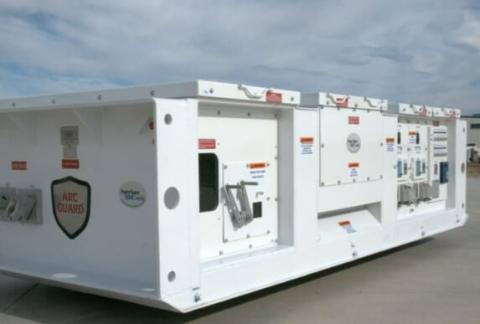
Mining operations across the USA face constant electrical hazards due to high-load equipment, harsh underground conditions, and continuous power demand. The reality on the ground is that standard circuit breakers just cannot move fast enough when a catastrophic grounding event occurs. One of the most important safety advancements in recent years is arc guard technology, which helps detect and isolate electrical faults before they develop into dangerous arc flash events.
In simple terms, these advanced mitigation frameworks act like a lightning-fast safety layer inside heavy-duty electrical networks. They identify abnormal electrical behavior in milliseconds and shut down affected circuits before serious damage, equipment destruction, or worker injury occurs. For mining companies operating in demanding, high-dust environments, this added protection has become a practical necessity rather than an optional upgrade. Becker Mining USA plays an active role in applying these systems within mining electrical infrastructure. We help operators reduce risk while maintaining consistent production uptime across the country's most punishing job sites.
Key Takeaways
- Deploys Millisecond Mitigation: Eliminates catastrophic explosive energy by isolating dangerous electrical faults immediately upon optical detection.
- Hardens Demanding Environments: Combats high failure risks triggered by pervasive coal dust, machine vibration, and deep-well moisture intrusion.
- Combines Multi-Sensor Logic: Integrates solid-state optical sensors, current wave analysis, and fast-tripping relay technology.
- Maximizes Operational Uptime: Isolates isolated faults to prevent site-wide blackouts and protect costly capital infrastructure.
- Powers Predictive Maintenance: Collects real-time diagnostic data to spot failing insulation before an explosion occurs.
What Is Arc Guard Technology In Mining Safety?
Arc guard technology is a specialized safety network that uses optical and current sensors to detect the light emission of an electrical arc fault within less than 1 millisecond. The system immediately signals a high-speed circuit breaker to trip, isolating the dangerous electrical release before it escalates into a lethal explosion.
Technical Protection Characteristics
- Sub-Millisecond Optical Sensing: Captures the initial flash spectrum using fiber-optic point sensors or bare-fiber loops run through switchgear cabinets.
- Dual-Fault Verification Logic: Prevents nuisance tripping by requiring both an optical light flash and a simultaneous overcurrent spike before triggering the breaker.
- Flexible Retrofit Form Factors: Mounts directly into legacy switchgear and deep-mine substations without requiring complete infrastructure overhauls.
- Continuous Self-Supervision: Monitors internal circuitry and fiber paths automatically to alert maintenance teams of any sensor damage or dust blockages.
Why Do Arc Flash Incidents Happen In Mining Environments?
Arc flash incidents happen in mining because severe vibration, conductive mineral dust, and moisture break down electrical insulation, causing short circuits. When high-voltage energy jumps across air gaps, it creates an arc flash that produces explosive pressure waves and temperatures reaching 35,000°F.
Here is the part most contractors won't tell you: standard preventative maintenance schedules cannot keep up with the rapid degradation caused by the localized environment of a deep-shaft operation. When these conditions combine, electrical energy suddenly discharges through the air with devastating force.
Environmental Risk Factors
- Conductive Dust Accumulation: Creates microscopic tracking paths across busbars, leading to phase-to-phase shorts inside sealed panels.
- Corrosive Mine Moisture: Condenses on internal components, accelerating insulation breakdown and inducing severe tracking faults.
- Constant Machine Vibration: Loosens heavy mechanical terminations over time, sparking high-resistance connections that rapidly evolve into open arcs.
GET IN TOUCH
In a hurry? Call us at 276-285-3841
How Do Modern Arc Guard Systems Work?
Modern systems use optical sensors to capture the flash of light and current transformers to detect sudden amperage spikes simultaneously. This dual-signal architecture processes the data through a high-speed central relay, sending a trip signal to the circuit breaker to extinguish the arc in milliseconds.
Traditional Overcurrent Protection vs. Advanced Arc Guard Systems
|
|
|
|
|
|
|
|
|
|
|
|
|
|
|
|
|
|
|
|
How Does Becker Mining USA Implement Arc Guard Solutions?
Becker Mining USA installs custom arc guard packages by retrofitting existing site switchgear, placing optical fiber networks in high-risk zones, and linking outputs to automated shutdown relays. We integrate these systems into centralized mine monitoring platforms for real-time diagnostic tracking.
Operational Integration Phases
- Site Vulnerability Assessment: Map out your existing power distribution matrix to locate high-risk areas in your switchgear cabinets and substations.
- Sensor Network Deployment: Install heavy-duty optical point sensors and ruggedized fiber links directly into individual breaker compartments.
- High-Speed Relay Commissioning: Program the central processing modules with dual-fault verification to ensure rapid tripping without accidental shutdowns.
- Centralized Communication Uplink: Interface the safety relays with your main control room to give surface operators instant visibility into your system's health.
What Are The Future Trends In Arc Guard Protection?
Future trends focus on integrating artificial intelligence to analyze historical current fluctuations and predict insulation failure before an arc occurs. Additionally, Internet of Things (IoT) wireless sensors and cloud-hosted dashboards will allow multi-site tracking from a single corporate command post.
Next-Generation Systems
- Machine Learning Diagnostics: Analyzes micro-arcs and minor insulation leakage currents to identify failing components days before a total breakdown.
- Smart Grid Self-Isolation: Reroutes power lines dynamically around damaged distribution nodes to keep production lines running safely.
- Cloud-Managed Infrastructure: Tracks sensor health and system loads across multiple regional operations from one central dashboard.
Real-World Field Insight
Many operators assume that buying arc-resistant switchgear removes the need for active monitoring. That is a dangerous mistake. While heavy steel cabinets can direct an explosion upward and away from a technician, they do nothing to save the costly internal components from total destruction. Combining structural containment with a rapid optical trip system protects both your crew and your bottom line from months of expensive downtime.
GET IN TOUCH
In a hurry? Call us at 276-285-3841
Ready to Enhance Your Operational Safety?
Protecting your crew and safeguarding your heavy electrical machinery requires eliminating the destructive energy of electrical faults at the source. Implementing a robust arc guard network stops catastrophic explosive events before they can damage your equipment or halt your operations. Becker Mining USA engineers custom, field-tested safety systems built to survive the harshest production environments across the United States.
Partner with our technical team to secure your power infrastructure, eliminate costly unplanned downtime, and maintain full compliance with modern electrical safety mandates. Call Becker Mining USA now to schedule your custom power infrastructure audit today.
Frequently Asked Questions
Q: What does an arc guard system do in mining?
A: It detects the initial light flash of an electrical fault inside switchgear and triggers a breaker trip within milliseconds. This rapid action cuts off the power before the fault can turn into an explosive arc flash.
Q: How is arc guard different from standard circuit protection?
A: Standard breakers rely on thermal or magnetic changes, which can take hundreds of milliseconds to respond to an overload. These specialized systems use optical fiber sensors to spot the actual flash of light instantly, cutting down reaction times dramatically.
Q: Can arc guard systems be added to existing mining equipment?
A: Yes. Modern monitoring modules and flexible fiber-optic point sensors are built to retrofit easily into existing legacy switchgear cabinets and remote distribution substations.
Q: Why is arc protection critical in underground mining?
A: The confined spaces of underground shafts trap and magnify the pressure waves and intense heat of an electrical explosion. Fast fault isolation is absolutely essential to protect personnel from toxic gases and structural damage.
Q: How does Arc Guard improve maintenance planning?
A: The system logs minor current fluctuations and tracks faults over time. This data lets your maintenance crews spot degrading insulation early and fix it during scheduled shutdowns, preventing unexpected breakdowns.
Products We Offer:
- Explosion Proof Equipment
- Transformers
- Arc Guard
- Longwall Electrical Systems
- Capacitor Trip Devices
- Electrical Equipments like capacitor banks, switch houses, junctions, and splice boxes.
Power up your productivity with Becker Mining's ground fault relays - the reliable and efficient solution for all your power distribution needs. Call us today!